

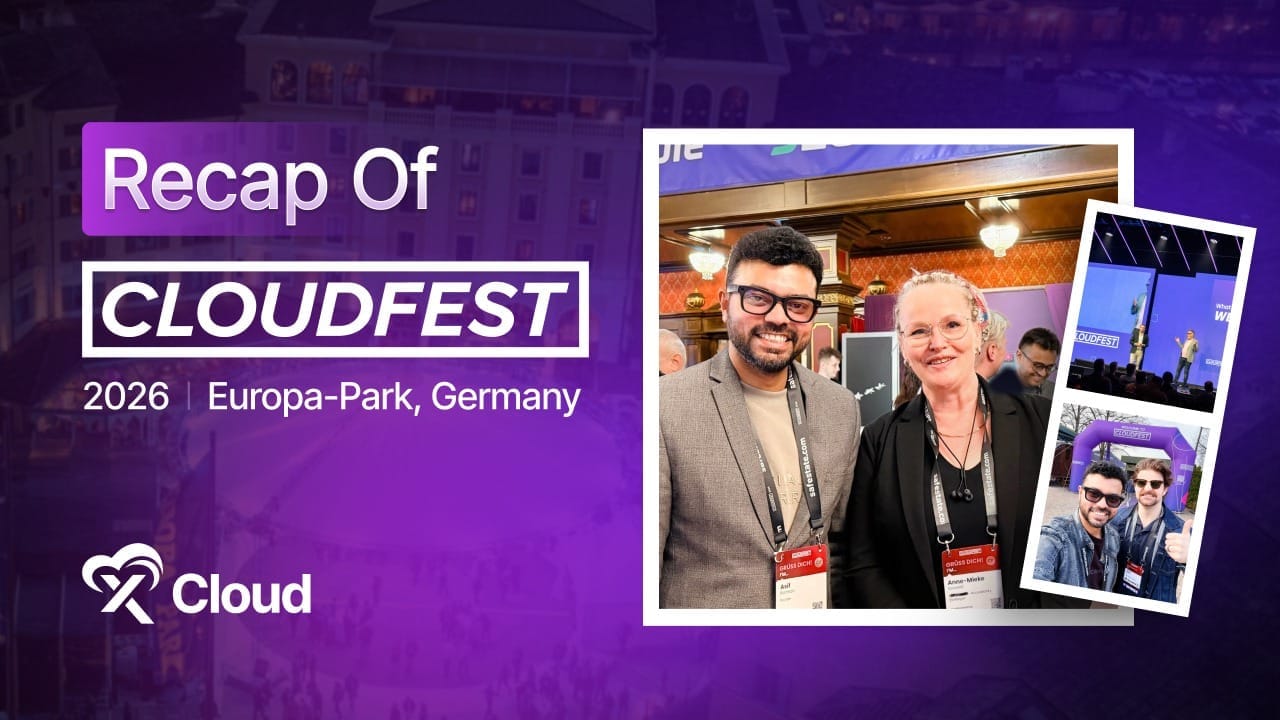
CloudFest 2026 once again proved why it sits at the center of the global cloud and hosting ecosystem. Held at Europa-Park, the event brought together 10,900+ attendees from 80+ countries, filling the venue to the point where additional festival space had to be created to handle the demand.
But numbers only tell part of the story.
What stood out this year was not just scale, it was direction. Across sessions, hallways, and late-night conversations, one thing became clear:
The cloud industry is no longer talking about infrastructure as infrastructure. It is talking about intelligence, resilience and long-term sustainability.
For us at xCloud, attending CloudFest for the second time was not about observing from a distance, it was about being inside the conversations. Meeting partners, reconnecting with industry peers and getting a clearer read on where the ecosystem is actually heading.
🌍 The Big Theme: “The Sustainability of Everything”
This year’s official theme, ‘The Sustainability of Everything,’ could have easily stayed conceptual.
What we saw on the ground was a shift from abstract sustainability discussions to very real operational concerns:
- How infrastructure scales responsibly
- How compliance frameworks are evolving under pressure
- How AI is changing efficiency expectations
- How security and sustainability are becoming interconnected
Across sessions, the conversation was not ‘should we care about this?’ anymore.
It was:
‘How do we implement this without slowing everything down?’
That shift alone tells you where the industry is right now.
⭐ A New Layer Added: WP Business & Agency Summit
One of the most notable additions this year was the launch of the WP Business & Agency Summit.
This was not just another track, it felt like a structured attempt to bring real business operators, agencies, and WordPress professionals into deeper alignment.
The format expanded from earlier WP-focused days into a full-scale summit spread across multiple venues inside Europa-Park hotels.
What stood out to us:
- Conversations were more ROI-focused than ever
- Agencies were less interested in theory, more in execution
- Hosting providers and service companies were actively collaborating instead of pitching
It felt less like a conference track and more like a working session for the ecosystem.
🌟 What CloudFest Feels Like When You’re Actually There
There are industry conferences and then there is CloudFest. The difference becomes obvious once you are on the ground.
During our time there, one pattern repeated itself:
The most important conversations were not happening on stage. They were happening everywhere else.
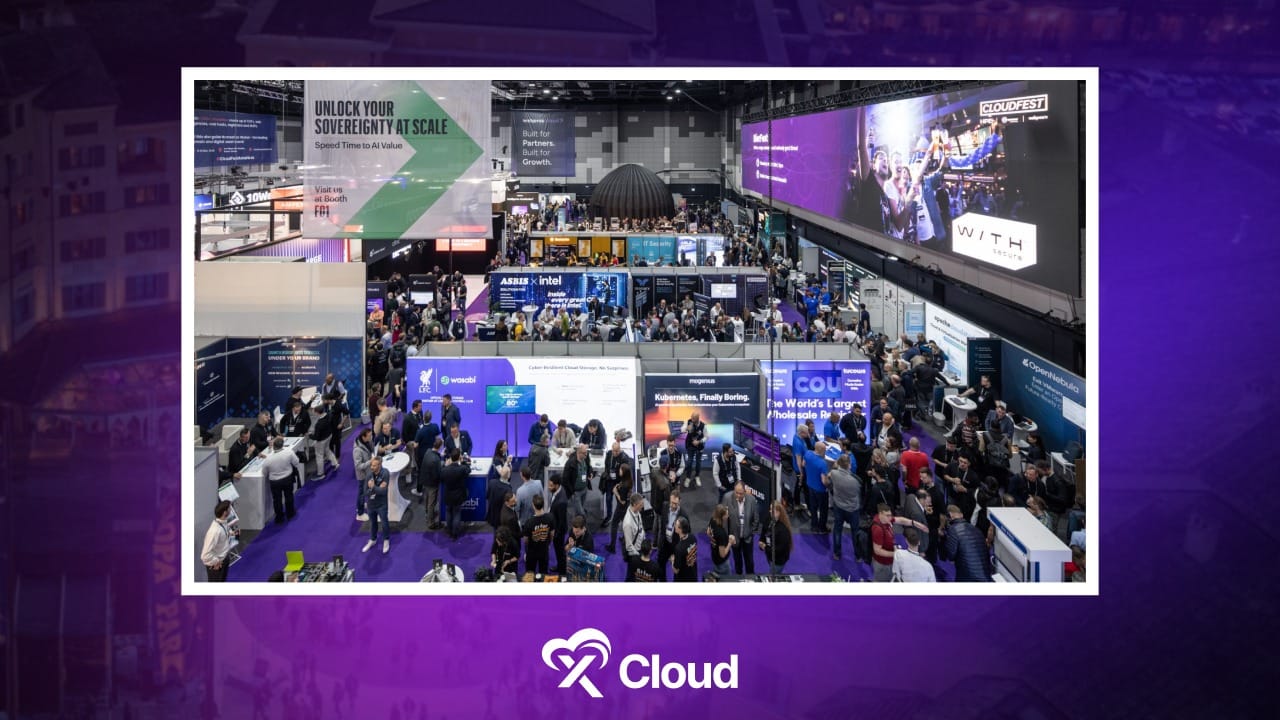
Hallways. Coffee breaks. Evening events. Random encounters between sessions.
This is where context is built.
This was also xCloud’s second year attending and that alone changed the experience. Familiar faces meant conversations did not start from zero. There was already history, trust and shared understanding.
That matters more than it sounds.
Because in this industry, speed of conversation often depends on the depth of the relationship.
💬 “What makes CloudFest different is not on the agenda…”
One moment that captures this well came from our founder:
M Asif Rahman
Founder, xCloud
“What makes CloudFest different is not on the agenda. It is the people. Many here have known each other for years. They compete, collaborate, and still sit down together and have honest conversations. That changes everything.”
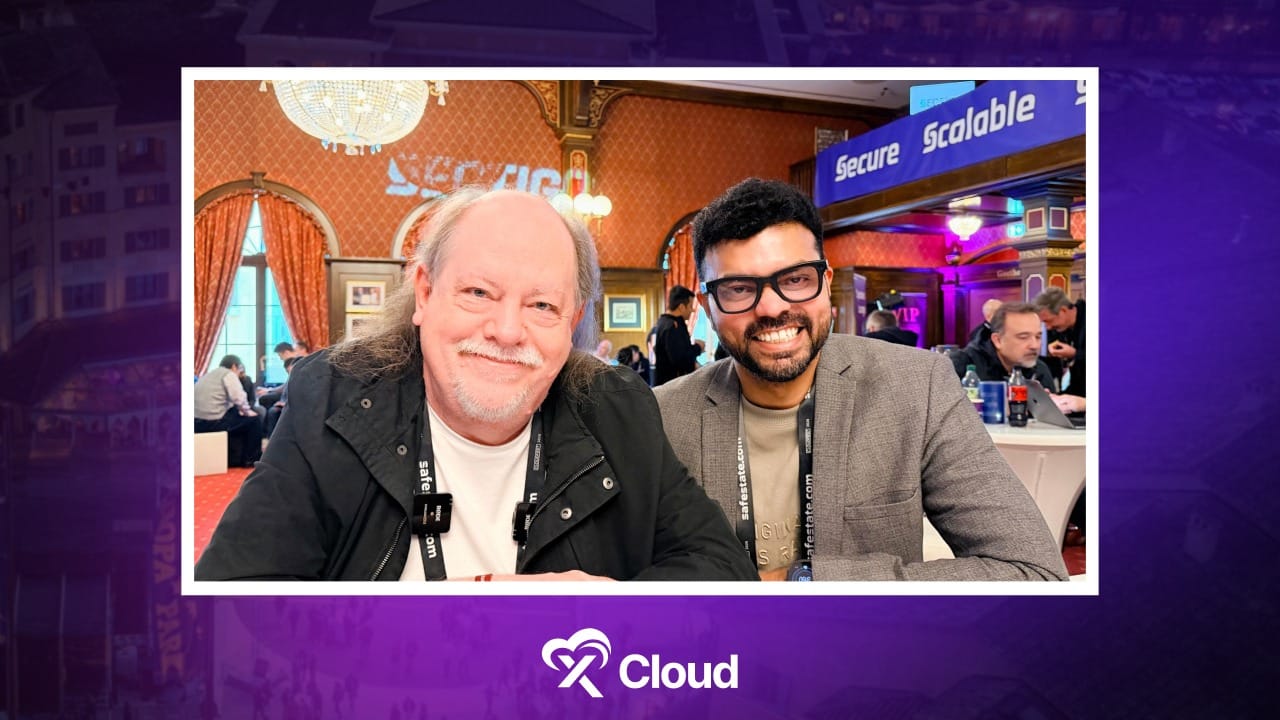
That sentiment was not unique. It was echoed in multiple conversations across the event.
CloudFest works because it is not a ‘cold-start’ networking environment. It is a continuation of long-running relationships.
🧭 How CloudFest 2026 Was Structured
This year introduced a noticeable structural improvement.
Instead of rotating daily themes, CloudFest ran five consistent tracks across all three main days (March 24–26, 2026).
That change had a real impact.
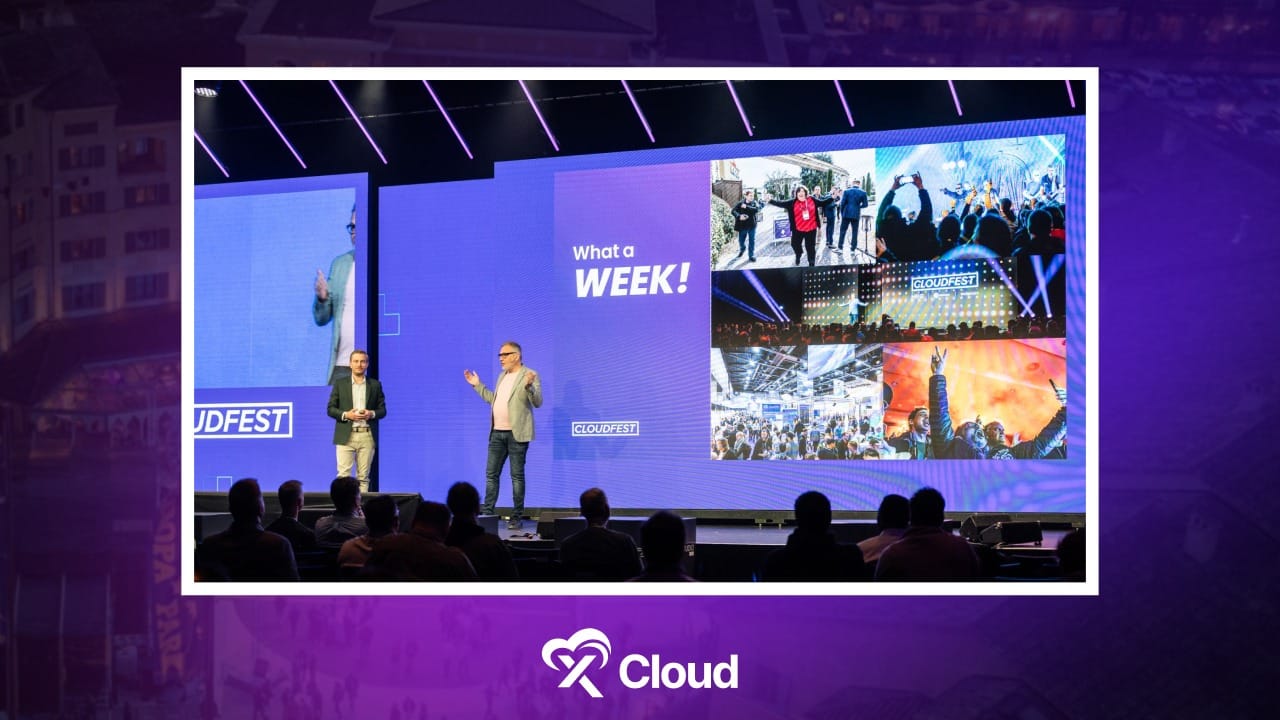
Instead of resetting context every morning, conversations could evolve across days.
From our perspective, that created:
- More continuity in discussions
- Deeper technical exploration
- Less fragmentation between sessions
It felt like the event was finally optimized for depth instead of variety.
📊 CloudFest 2026 in Numbers
A few figures that stood out:
- 10,900+ attendees
- 80+ countries represented
- 175 sessions across 5 tracks
- 143 speakers
- 73% senior or C-level attendees
- 110 developers in the pre-event hackathon
- 150+ partners represented
But the most important number is not on the list. The number of meaningful follow-up conversations that will continue long after the event ends.
That is where CloudFest really creates value.
🏗️ What Changed on the Ground in 2026
CloudFest did not just evolve in content, it evolved physically.
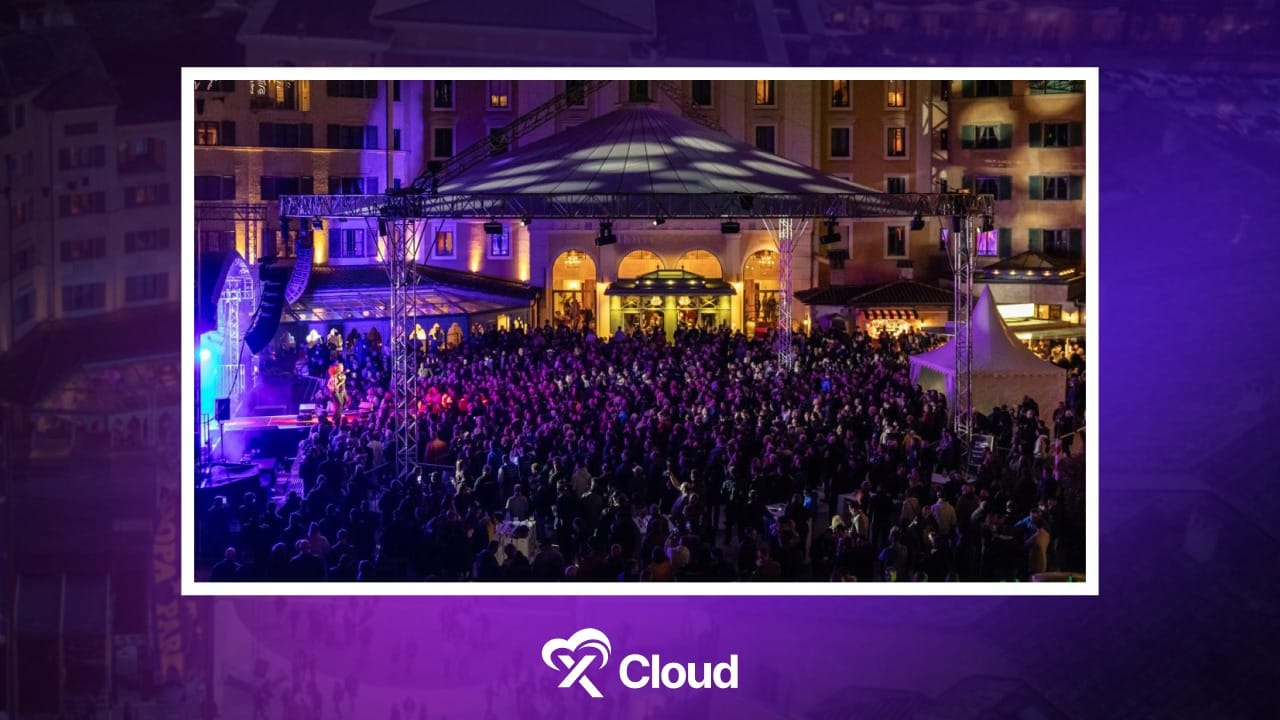
Several new and improved spaces changed how people moved through the event:
🏘 CloudFest Village
A new central hub featuring stages, networking spaces, a café, and exhibitor areas.
It significantly reduced congestion from previous years and created a more distributed flow of traffic.
🔐 HackerSpace
A dedicated cybersecurity zone focused on live challenges and a Capture the Flag competition.
Security was not a side topic anymore, it had its own gravity.
🌮 Street Food Festival
A small but important improvement. Food access near the main hall reduced downtime and improved event flow.
These may seem like operational details but they directly affect how conversations happen.
And at CloudFest, conversations are the product.
🖥 Server Throwing Arena
Yes, it still exists.
And yes, it still draws a crowd.
It remains one of those uniquely CloudFest elements that blends humor with industry identity.
⛳ The Real Industry Trends We Saw Emerging
Beyond the event structure, a few clear themes dominated conversations across sessions and meetings.
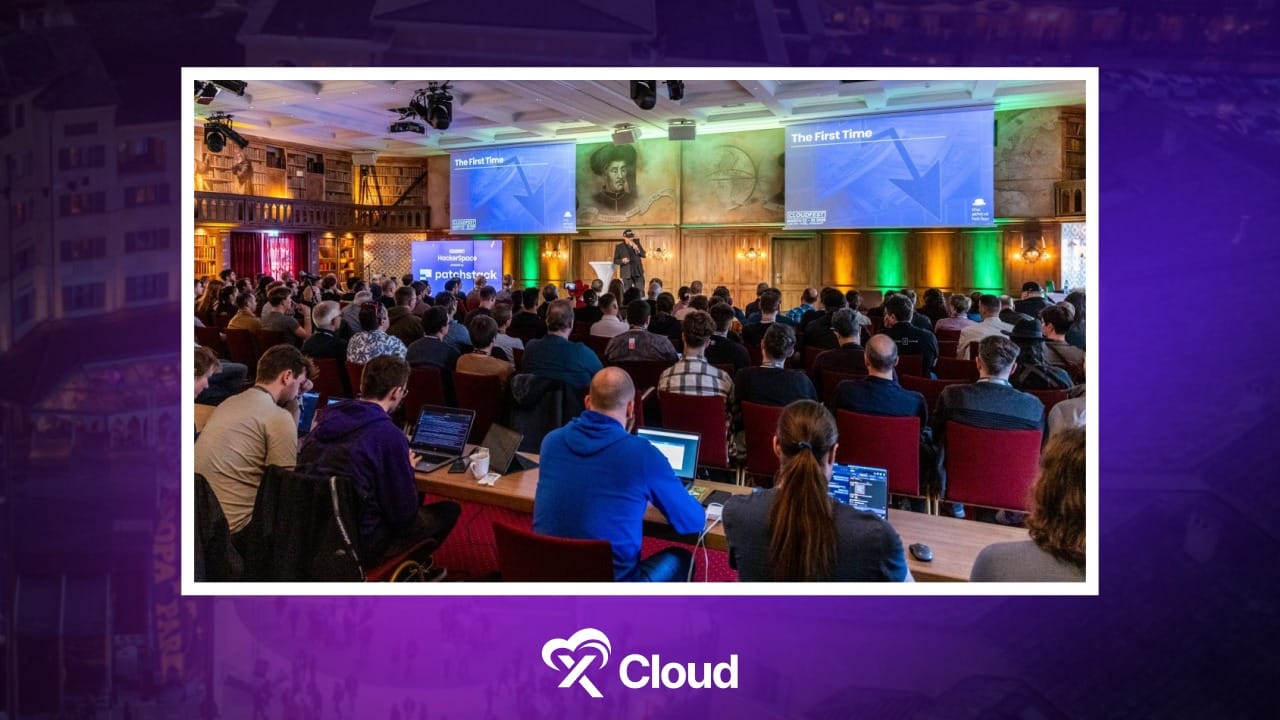
1. AI in Cloud Infrastructure Is Now Default Thinking
AI is no longer a ‘feature discussion’ in hosting.
It is becoming foundational.
Across multiple conversations, AI was being applied to:
- Predictive scaling
- Automated support triage
- Security anomaly detection
- Infrastructure optimization
The key shift:
AI is no longer being added to hosting. Hosting is being rebuilt around AI.
For companies like xCloud, this validates a direction already in motion: smarter, self-adjusting infrastructure environments rather than static server setups.
2. Edge Computing Is Becoming Practical, Not Theoretical
Edge computing is no longer a future roadmap item. It is actively shaping decisions today.
We saw consistent focus on:
- Lower latency delivery models
- Regional compliance requirements
- Distributed infrastructure strategies
The interesting shift is simplicity.
The goal is no longer to make edge powerful. It is to make the edge invisible for the end user.
3. DDoS Protection Is Entering a New Phase
Security conversations were sharper this year.
Attack scales are increasing but more importantly, attack sophistication is evolving.
The industry concern is no longer just mitigation, it is anticipation.
Behavior-based detection systems and real-time response layers are becoming standard expectations.
This is pushing hosting providers toward more intelligent security stacks rather than static filtering models.
4. Sustainability Is Now a Business Requirement
What changed this year was the tone. Sustainability is no longer framed as responsibility alone.
It is now tied directly to:
- Enterprise purchasing decisions
- Regulatory pressure
- Infrastructure partnerships
- Competitive differentiation
In many conversations, sustainability was treated the same way as uptime or performance.
That is a major shift.
5. Multi-Cloud Is Becoming the Default Architecture
The idea of single-provider infrastructure is fading.
What we heard repeatedly:
- Redundancy is expected
- Flexibility is mandatory
- Vendor lock-in is avoided
This creates a new role for managed platforms:
Not just hosting infrastructure but orchestrating it.
6. NIS2 Compliance Pressure Is Becoming Real
NIS2 was no longer a ‘future concern’ in conversations.
It is now a near-term operational challenge.
Across European providers, discussions centered around:
- Audit readiness
- Incident reporting workflows
- Supplier compliance tracking
- Internal documentation overhead
The tension is clear:
Better compliance is necessary but operational overhead is rising fast.
🔥 xCloud at CloudFest 2026: What Actually Mattered
For us, CloudFest was not about visibility.
It was about alignment.
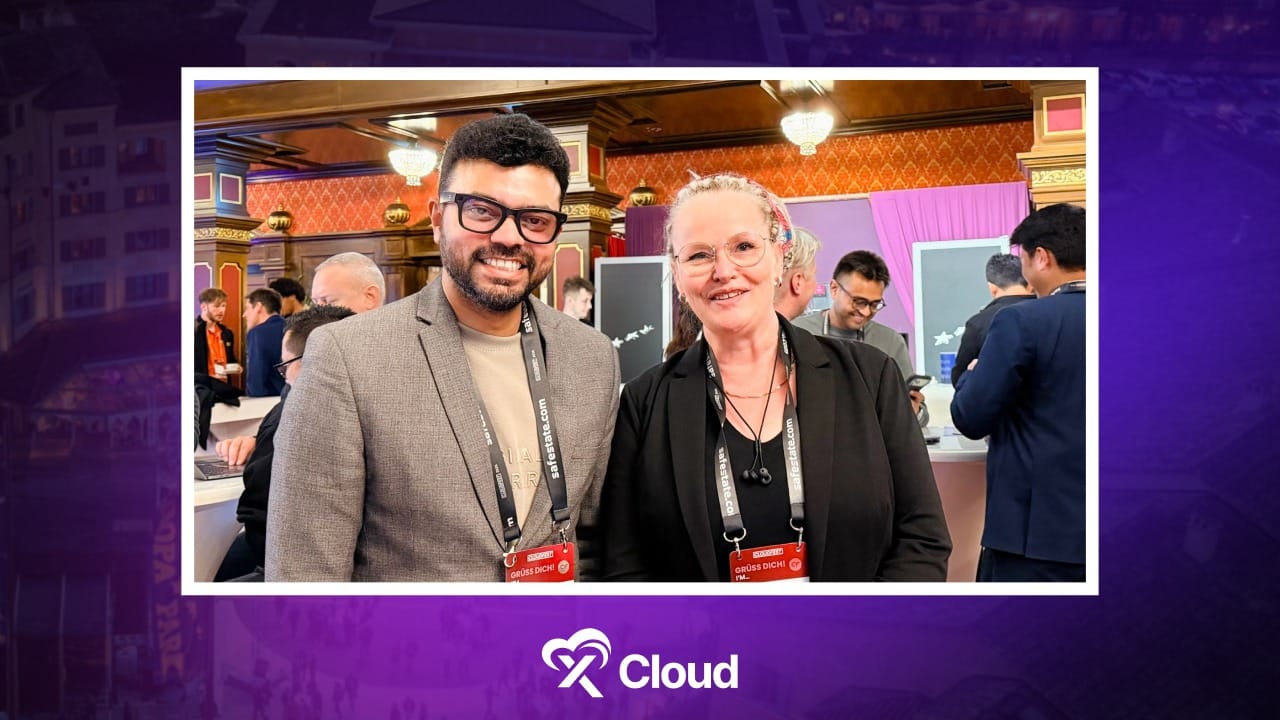
We spent the event in conversations with:
- Infrastructure partners
- SaaS founders
- Hosting operators
- Long-term industry peers
What mattered most was not quantity, it was depth.
Some conversations confirmed direction. Others challenged assumptions. A few opened doors to future collaboration that will unfold over time.
One of the most meaningful discussions came from a deep technical exchange with industry peers on scaling infrastructure under real-world constraints,not theory but operational reality.
Another valuable moment came from reconnecting with long-term collaborators like Daniel Stanica, where discussions naturally evolved from past context into future opportunities.
🤝 What Coming Back to CloudFest Teaches You
Returning to CloudFest makes one thing obvious, this is not a disconnected yearly event.
It is a continuation of an ongoing industry narrative. Most relationships here are long-term. Many have evolved over years of collaboration, competition and repeated presence at the same place. That history changes the tone completely. There is less explanation needed. More honesty in conversations. And significantly faster alignment.
As our founder reflected:
M Asif Rahman
Founder, xCloud
“In cloud, infrastructure, and SaaS, we often focus on technology. But being here is a reminder that relationships still drive everything forward.”
✨ Closing CloudFest 2026 with Gratitude. See You in 2027
CloudFest 2026 reinforced something simple but important: the cloud industry is evolving fast but it is still fundamentally human-driven. Technology sets direction but relationships accelerate it.
For xCloud, being present wasn’t about observing trends from the outside. It was about participating in where those trends are being shaped.
And if this year was any indication, the next phase of cloud will be defined by companies that can combine:
- Intelligence (AI-driven systems)
- Resilience (security-first infrastructure)
- Responsibility (sustainability + compliance)
- And relationships (real human trust networks)
CloudFest 2026 made that clear. We will see you in 2027. 👋
Subscribe to our blogs for valuable tutorials, guides, knowledge, and tips on web hosting and server management. You can also join our Facebook community to share insights and engage in discussions.
Last updated April 15, 2026
← All articles