

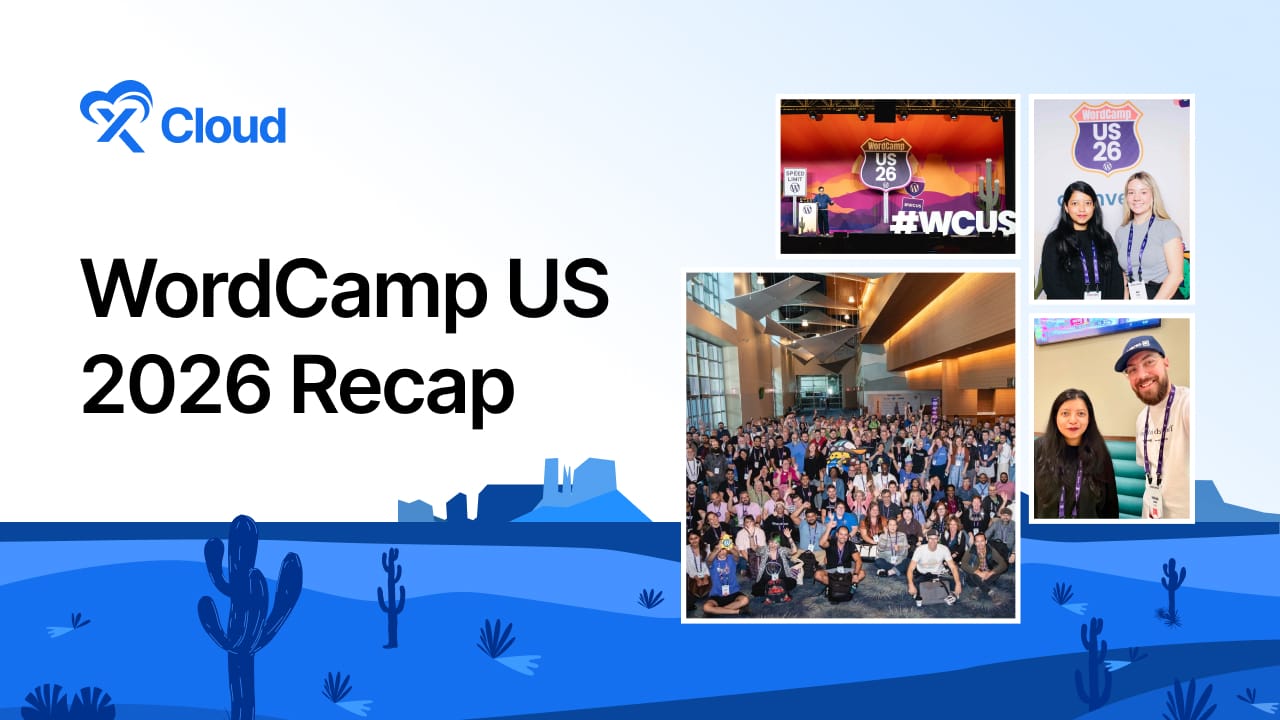
WordCamp US 2026 brought the WordPress community together in Phoenix for four packed days of contributing, learning, building and reconnecting.
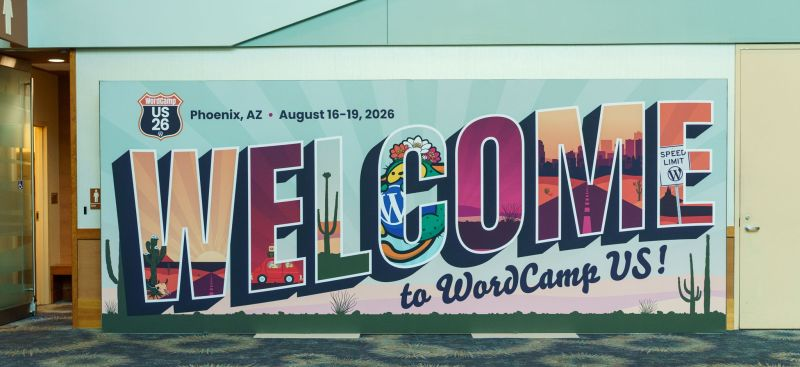
Held at the Phoenix Convention Center from August 16–19, the event welcomed more than 1,100 registered attendees, while thousands more followed the sessions online. And yes, Phoenix delivered exactly what everyone expected outside: temperatures reaching 111°F. Official WordPress coverage confirms the event featured more than 50 sessions across four tracks.
But the most interesting part of WordCamp US 2026 was not its size.
It was what the WordPress community was talking about.
AI was everywhere, but the conversation had matured. Instead of asking whether developers and creators should use AI, speakers focused on more practical questions: How should we supervise AI-generated work? Where does human judgment still matter? How do we make WordPress simpler while technology becomes more complex?
Then, during the closing session, WordPress 7.1 “Mary Lou” was released live from the stage.
For WPDeveloper and xCloud, those conversations made Phoenix much more than another conference stop. Our co-founder and CMO, Afshana Rahman, spent the week meeting WordPress professionals, agency owners, hosting teams, product builders and longtime community friends.
Let’s have a recap of the moments and lessons that stood out most.
🧭 How WordCamp US 2026 Was Structured
The event ran across four days, and each one had a distinct job.
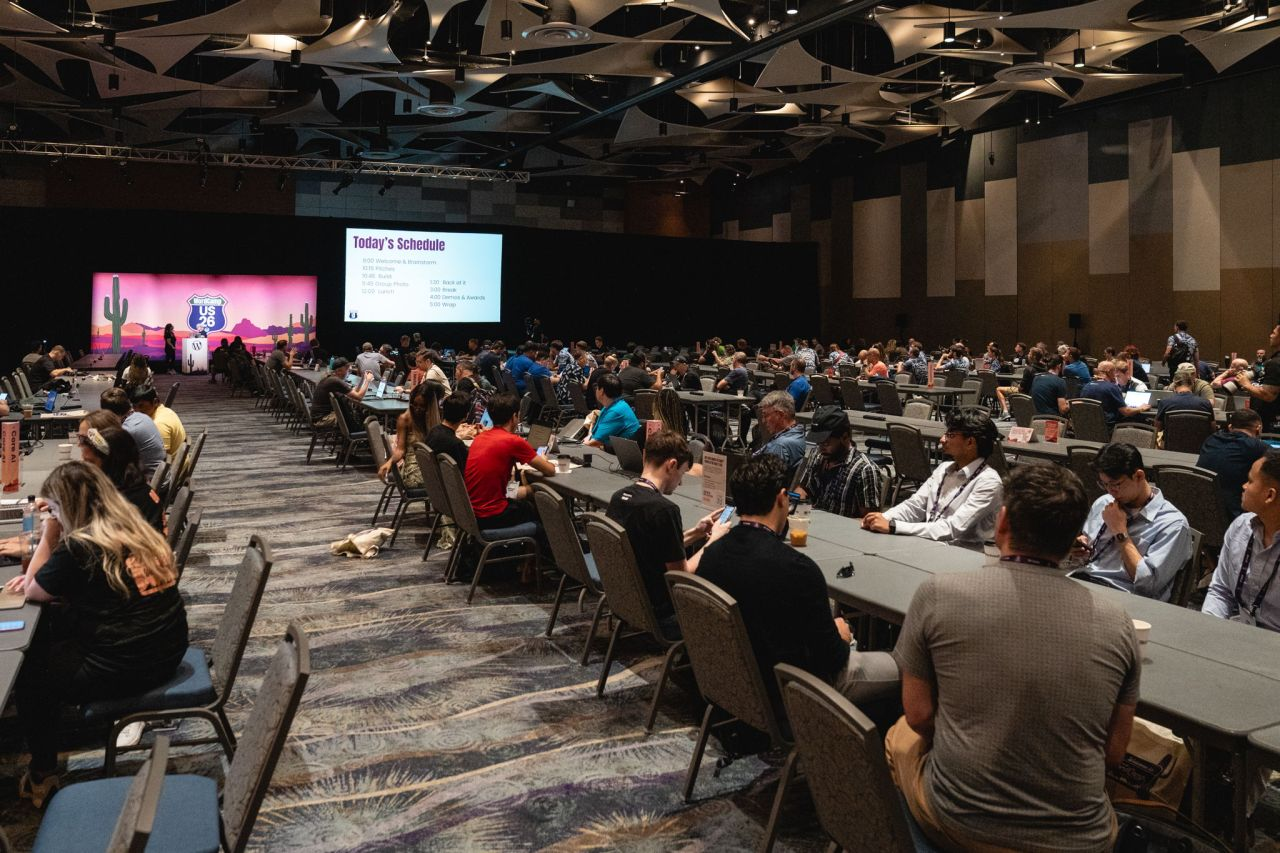
🤝 Contributor Day (August 16) opened the week, and organizers rebuilt it from the ground up. Instead of the usual standing contributor teams, 26 teams formed around specific deliverables, each with a goal owner who pitched the project in a 30-second introduction. 425 people took part, 29 of them contributing to WordPress for the first time. Experienced contributors helped newcomers cut ambitious ideas down to something shippable in six hours. People moved between tables freely.
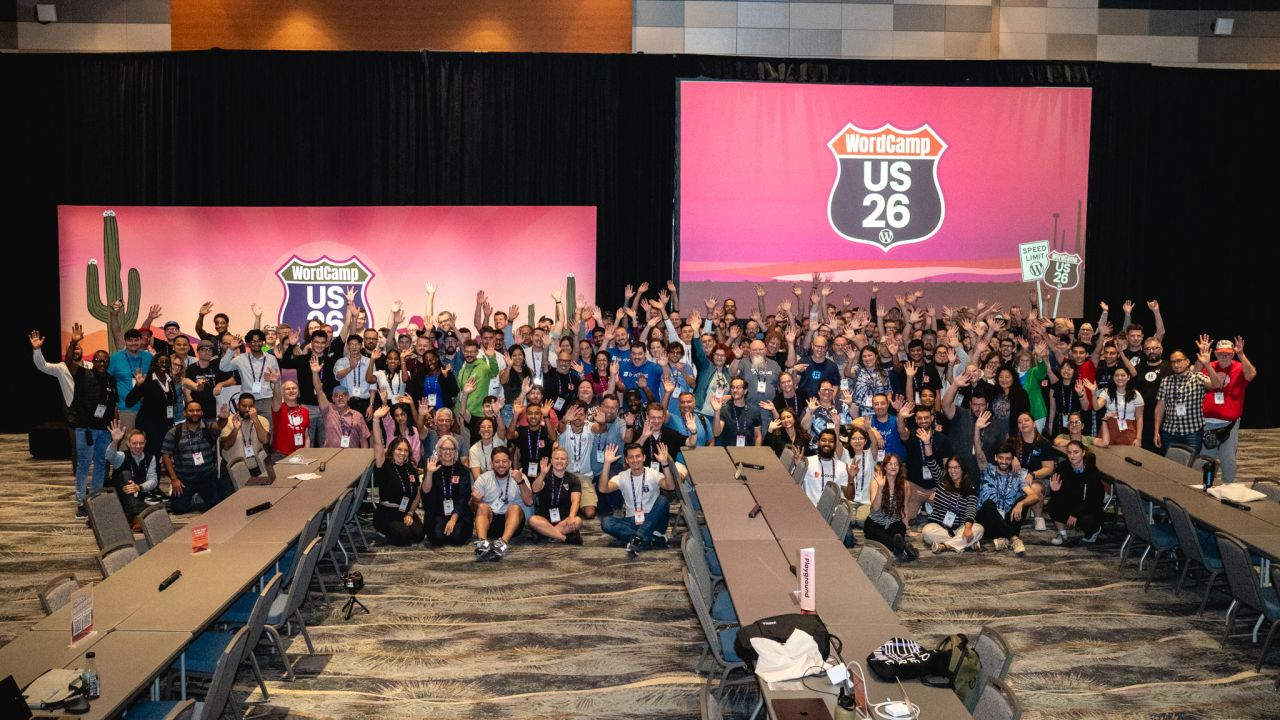
🎯 Showcase Day (August 17) opened with Bo English-Wiczling of PayPal and settled into four themes that carried through the rest of the week: constraints are what make AI useful, editor-friendly design serves humans and agents equally well, owning your stack matters more than it used to, and the work after launch is the work that decides whether a site survives.
🎤 Conference Days (August 18 to 19) ran four parallel tracks: AI, Technical WordPress, Honing Your Skills, and a new beginner track called WP101, which graduated to “WordPress 202” on the final day. Across the two days there were more than 50 talks and workshops.
From our perspective, that structure created momentum. Contributor Day set a tone of finishing things, Showcase Day supplied the evidence, and the conference days argued about what it all means. Very little of it felt like filler.
📊 WordCamp US 2026 In Numbers
A few figures that stood out:
- 1,156 tickets sold, with more than 1,100 registered attendees
- Thousands more watching the sessions via livestream
- 425 contributors across 26 teams on Contributor Day
- 29 first-time contributors
- 22 pull requests opened and 21 merged in a single day, plus 3 plugins, 2 websites, 2 new features and 4 new contribution pathways
- 4 tracks and more than 50 talks and workshops
- At least 18 AI-focused or AI-adjacent sessions, the largest AI program a flagship WordCamp has run
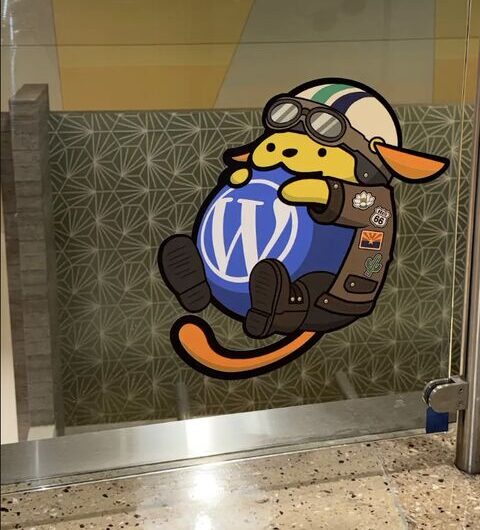
- 48 Wapuus hidden around the venue for the scavenger hunt, a nod to Arizona being the 48th state
- 111°F outside
Worth saying plainly: this was not a record-breaking year for headcount. WCUS 2026 came in below the 2023 peak of 2,149, and a mid-August event in Phoenix was always going to be a hard sell on the calendar.
But the most important number is not on this list. It is the number of follow-up conversations that will keep going long after Phoenix. That is where WordCamp really creates value.
🌍 The Big Theme: Building With AI Without Losing the Human Part
The sharpest line of the week came from Bo English-Wiczling’s Showcase Day keynote:
“AI doesn’t remove your work. It moves it.”
Her argument was that the hard part is no longer the tooling. It is developing the discernment to specify intent clearly, supervise agents properly and verify what comes back. That framing held up across the whole event.
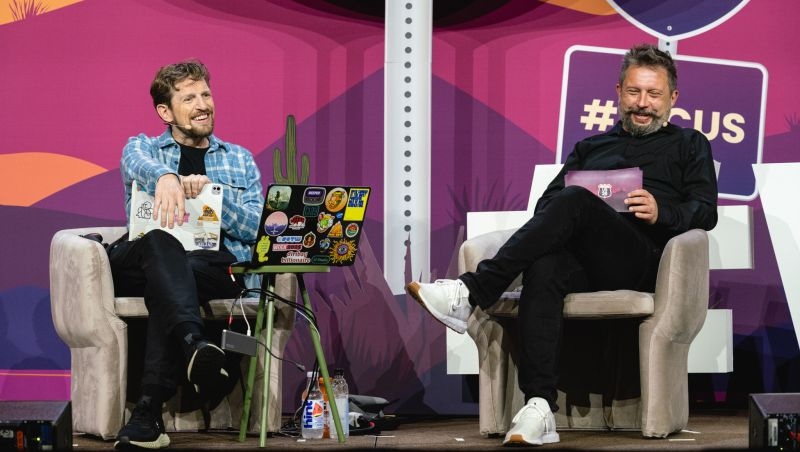
It also showed up in an unexpected place. In the closing keynote, Mullenweg acknowledged that AI was the most negatively rated issue in community surveys, and floated the idea of rebranding some AI features as “automation” instead. For the person who has pushed hardest on AI in core, that was a notable thing to say out loud on stage.
He paired it with a direction for the project: “I want WordPress to be known for simplicity, not just complexity.” He described where WordPress sits right now as a “mid-wip” stage, which is a more honest description than most keynotes offer.
⭐ A New Layer Added: WordPress 7.1 “Mary Lou” Ships Live From the Stage
WordPress 7.1 was released on August 19, 2026, during the closing keynote, launched with a ceremonial button press in front of the room. It is named for Mary Lou Williams, the jazz pianist, arranger and composer who worked across nearly every major era of the music.
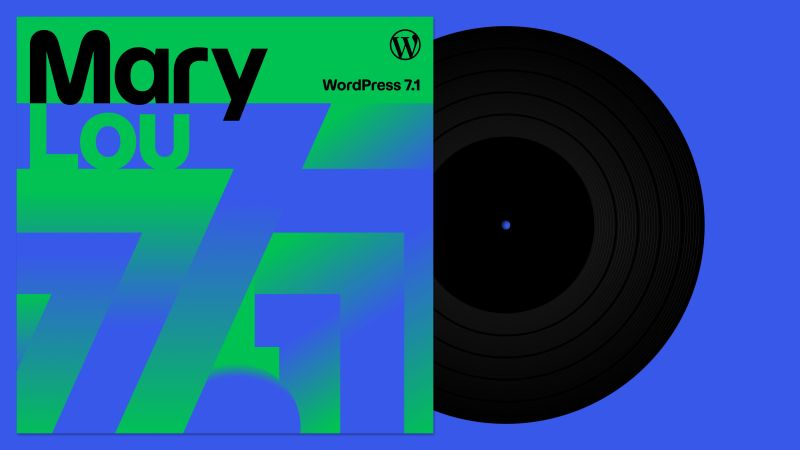
The release landed with more than 800 contributors behind it, over 170 of them first-timers, more than 1,500 enhancements and fixes, and full translations into 20+ locales on day one.
What is actually in it:
- 📱 Responsive styling built into the editor, so you can set how a block looks at different screen sizes from Global Styles or individual block settings, with no custom CSS
- 🖼️ A real media editor, a dedicated modal replacing inline cropping, with freeform and aspect-ratio cropping, flip, rotate and metadata editing
- ⚡ Browser-side image processing via WebAssembly, plus native AVIF, HEIC and HDR gain map support, which moves real work off your server
- 🧱 New Playlist and Tabs blocks, and an API for registering custom icon collections
- 📝 Inline Notes, text-level comments with rich formatting and @mentions
- ♿ Accessibility improvements, including new tooltip functions and better screen reader support
By the end of that same session, 330,000 downloads and 1.4 million auto-updates had already been recorded. Real-time collaboration slipped again, for the second consecutive major release, which is the one thing people kept bringing up in the hallway afterward.
For us, building both WPDeveloper’s WordPress products and the xCloud platform, the media pipeline change is the one to watch. Moving image processing into the browser changes the resource profile of every WordPress site running on a small server.
🔬 The Moment Everyone Will Remember: Phoenix Named a Day After WordPress
Before the button press, Phoenix Mayor Kate Gallego proclaimed August 19 to be Phoenix WordPress Day.
It is a small ceremonial thing, and it landed harder than you would expect. A city government formally recognising an open-source software project, in the same hour that project shipped its next major release, is a reasonable summary of how far WordPress has travelled from a blogging tool.
The other story that will stick came out of Showcase Day. Daily Kos walked through moving 1.5 million posts, 88 million comments and 2.7 million users onto WordPress, running a public beta with more than 500 community members along the way. The Ankler covered migrating 15 newsletters off Substack in Nicola Catton’s “Own Your Audience” session.
Two very different publishers, the same underlying decision: own the stack rather than rent it.
🌟 What WordCamp US Feels Like When You Are Actually There
There are tech conferences, and then there is WordCamp. The difference becomes obvious once you are on the ground.
The sponsor hall was where most of the week actually happened. The Happiness Bar ran as a free drop-in help desk where anyone could sit down with a WordPress expert about plugins, CSS, ecommerce or just getting started. Career Corner gave job seekers a low-pressure way to browse roles, get resume feedback and talk to companies without a formal interview. Local artist Dina Murphy ran Paint a Wapuu sessions across two days. There was a documentary screening about open-source contribution, a Connect art installation built from WordPress.org Photo Directory images by contributors around the world, a collaborative LEGO build of the WordPress logo, and the Wapuu scavenger hunt.
The week closed with a party at On Jackson with food, drinks, games and live music.
During our time in Phoenix, one pattern repeated itself: the most important conversations were not happening on stage. They were happening in the sponsor hall, over coffee, in the queue for lunch and at the party afterward. Familiar faces meant conversations did not start from zero. There was already history and trust, and in this community the speed of a conversation usually depends on the depth of the relationship behind it.
⛳ The Real Trends We Saw Emerging
Beyond the schedule, a few themes ran through the sessions and the conversations around them.
1. AI Moved From Feature To Foundation
AI is no longer something you bolt onto WordPress. It is in core, it had the largest track at the event, and the interesting questions are now about supervision and verification rather than capability. The same shift is happening one layer down in hosting: infrastructure is being rebuilt around AI workloads rather than having them added on top.
2. Contributor Day Became a Shipping Day
Reorganising 425 people around deliverables instead of standing teams produced 21 merged pull requests in six hours. The framing organizers used was blunt and correct: a finished thing can be judged in a way an idea never can. Expect other WordCamps to copy this format.
3. Owning Your Stack Became a Publishing Strategy
Daily Kos and The Ankler were the headline examples, but the theme was everywhere on Showcase Day. Publishers are moving off closed platforms and onto infrastructure they control. In migrations at that scale, the staging, backup and rollback setup matters more than the CMS choice.
4. The Beginner Pipeline Is Being Rebuilt
The new WP101 track ran all four days on a blunt promise: walk in with nothing, leave with a portfolio site in a day. It was aimed partly at Arizona State University students, and beginner sessions had first-time users launching live sites within a single session. Contributor Day recognised contributions from a 12-year-old and a 14-year-old. That pipeline had been thinning for years.
5. Simplicity Is Now the Stated Direction
Between the “mid-wip” comment and the push to rename AI features as automation, the project’s leadership spent the closing keynote arguing for less surface area rather than more. Whether that survives contact with the next roadmap is the open question.
🔥 What Actually Mattered To Us At WordCamp US 2026
For us, WordCamp was not about visibility. It was about alignment.
Afshana spent the four days in conversations with hosting operators, agency owners, plugin founders and long-term peers. The recurring theme in almost all of them was operational rather than technical: how do small teams keep dozens of client sites patched, staged and backed up without a full-time systems engineer? That question came up more often than any AI question did.
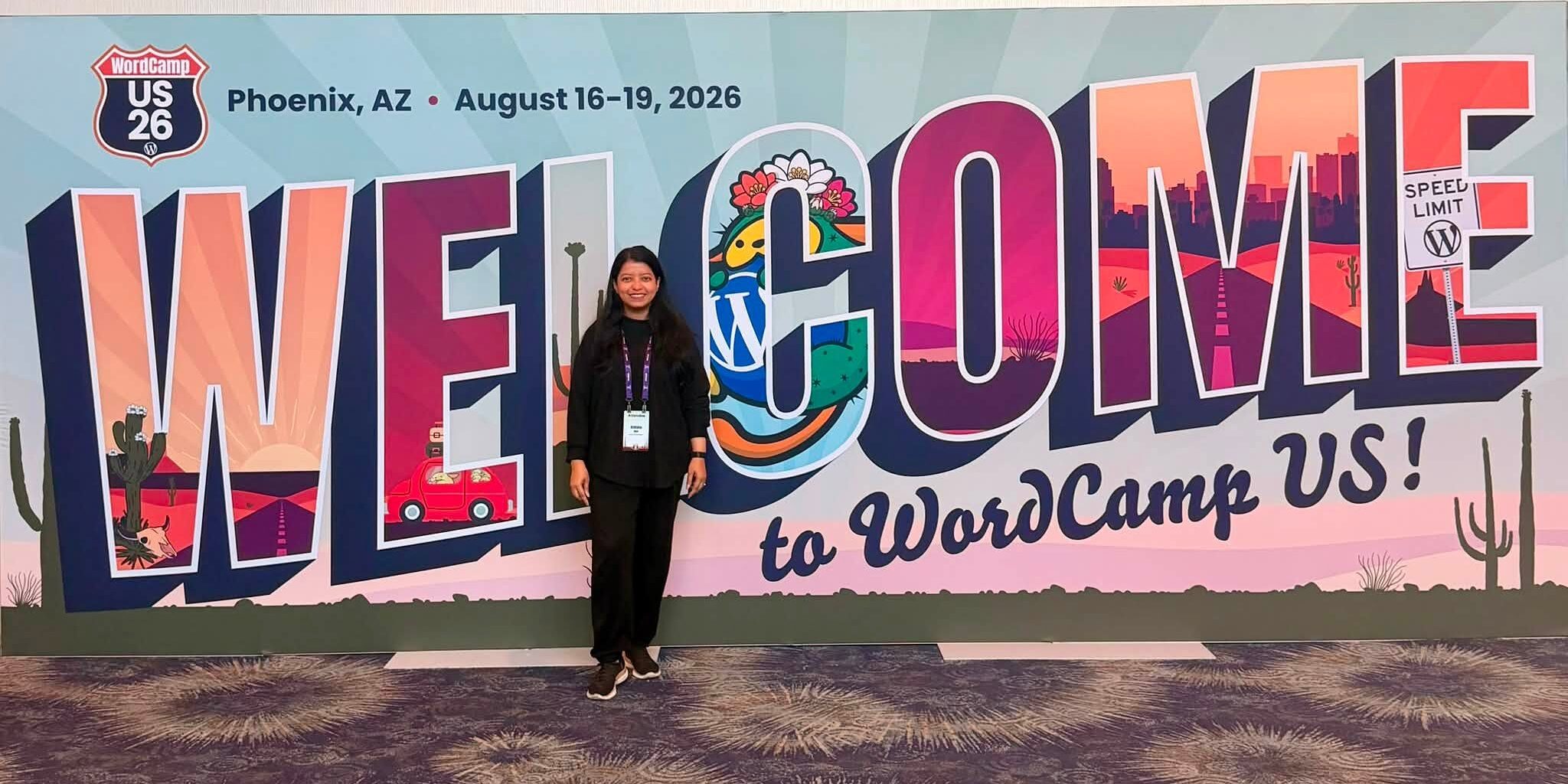
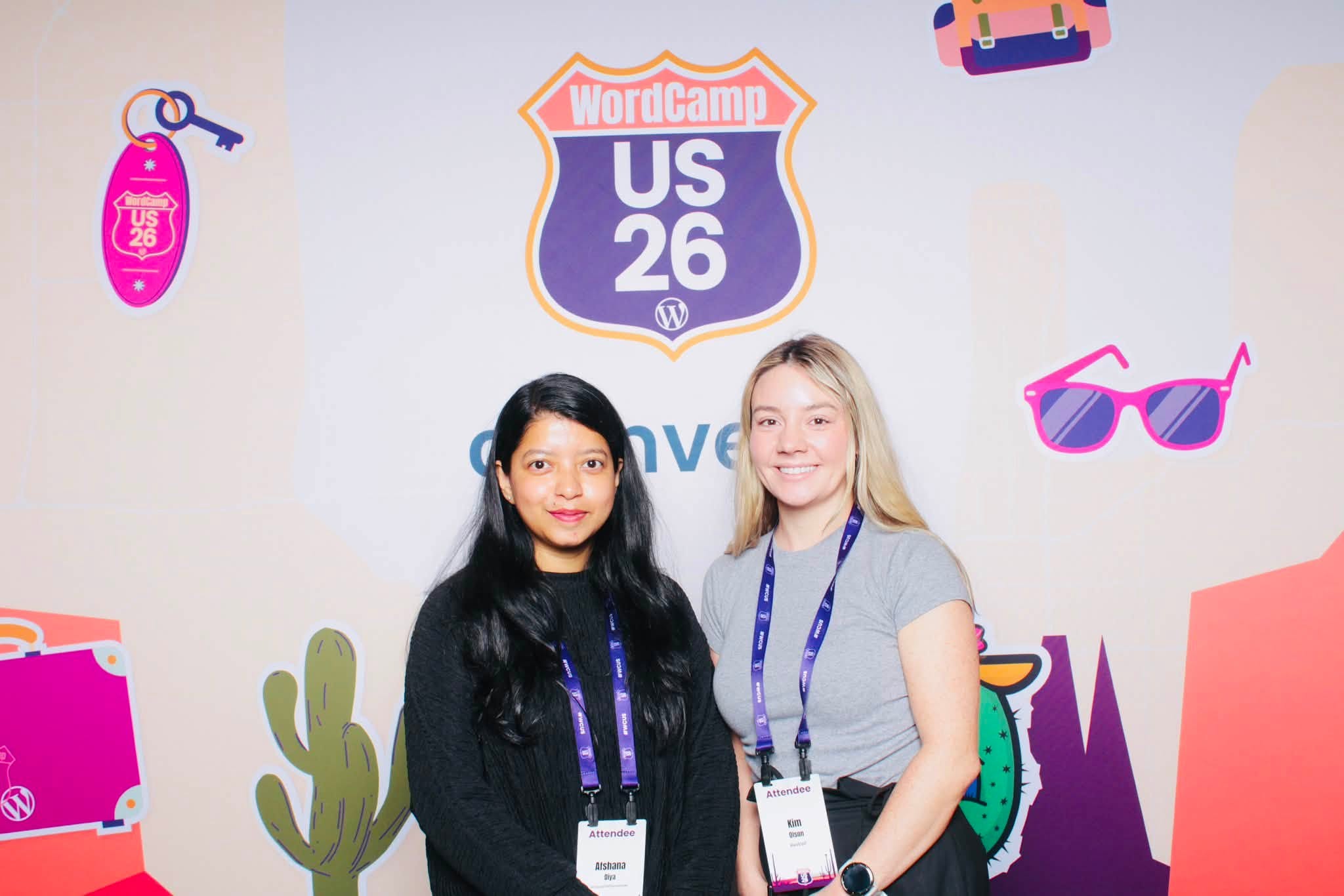
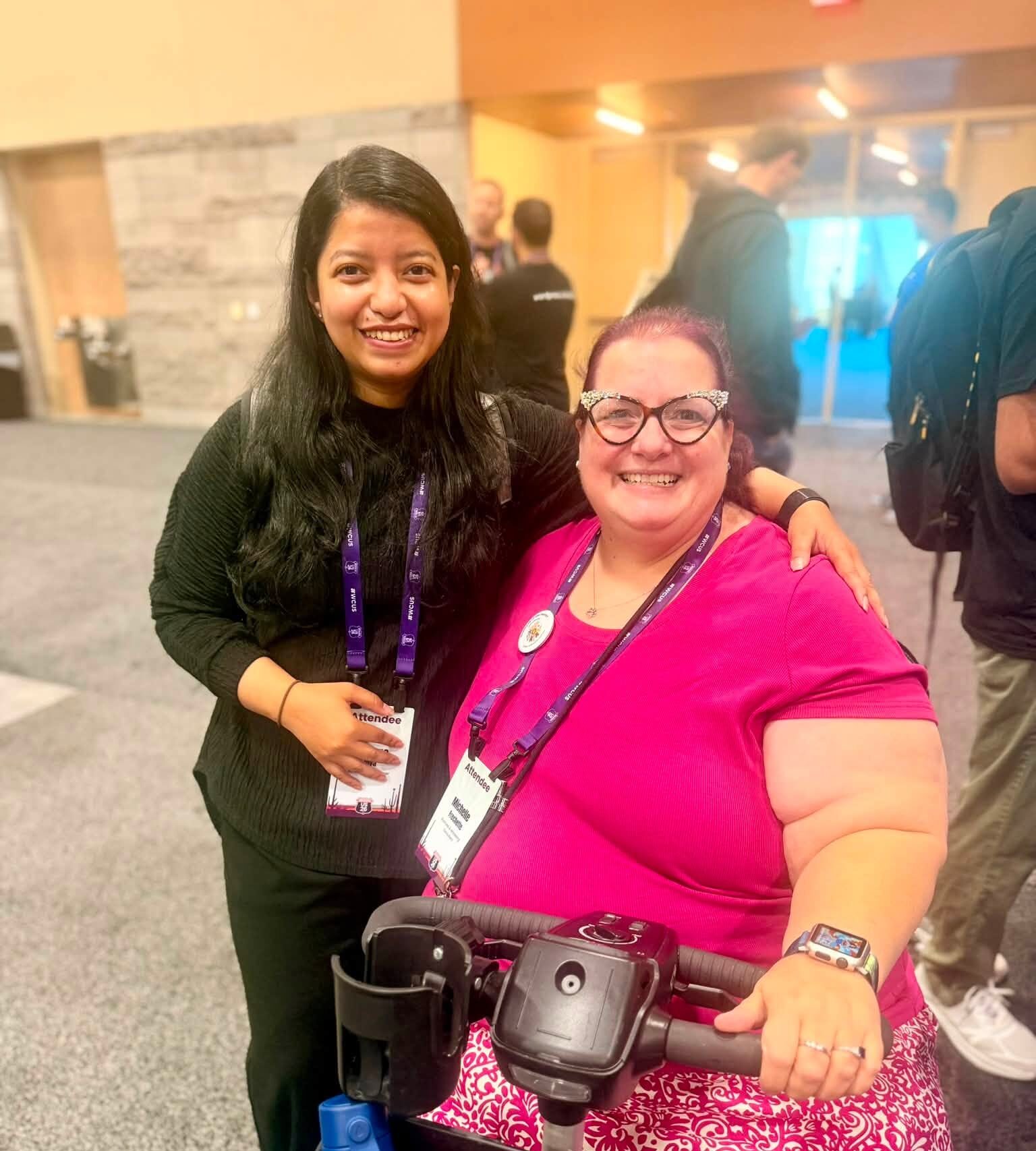
Some of those conversations confirmed the direction we are already moving in. A few challenged assumptions we had not examined in a while. That is the honest value of showing up.
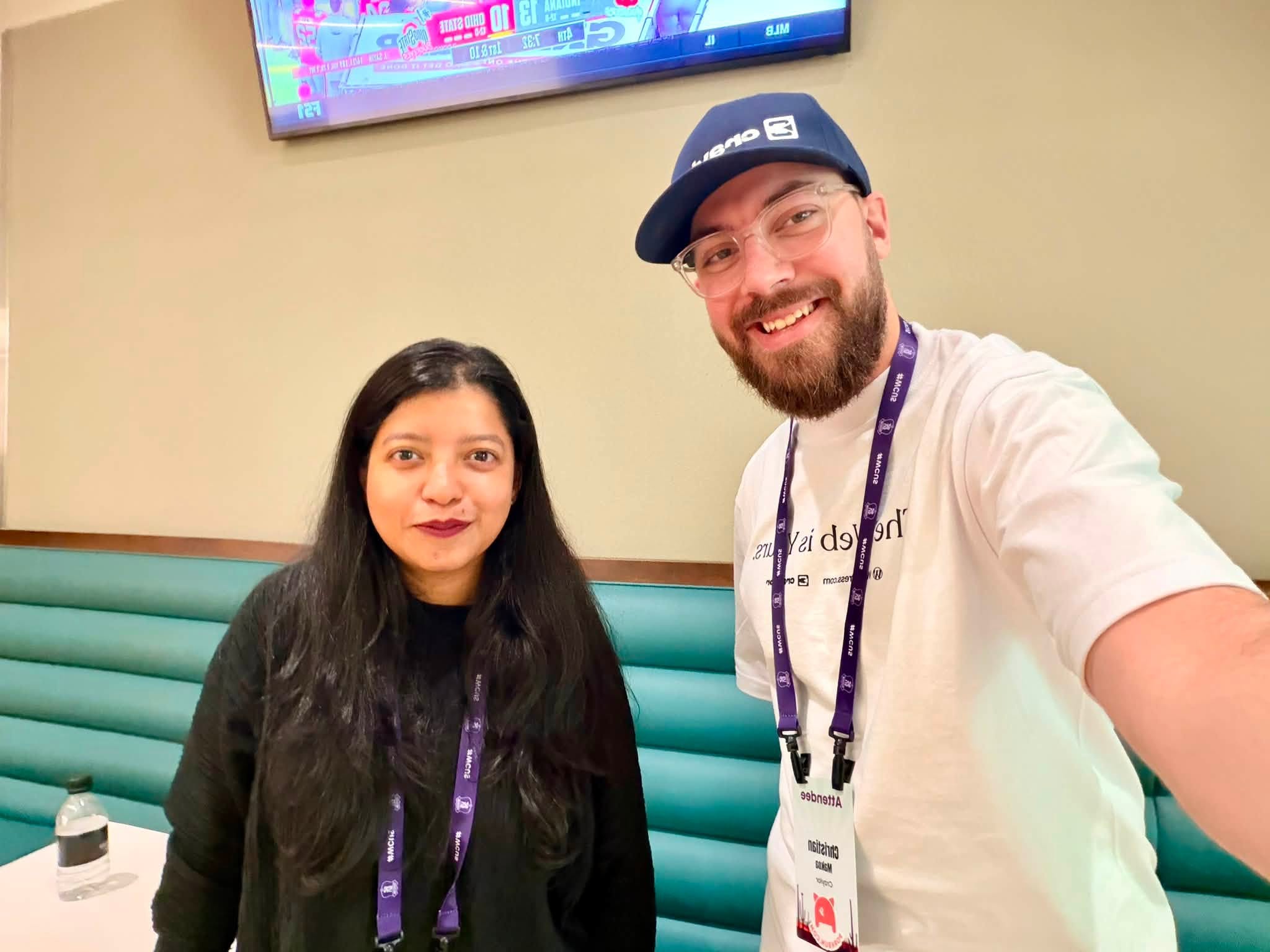
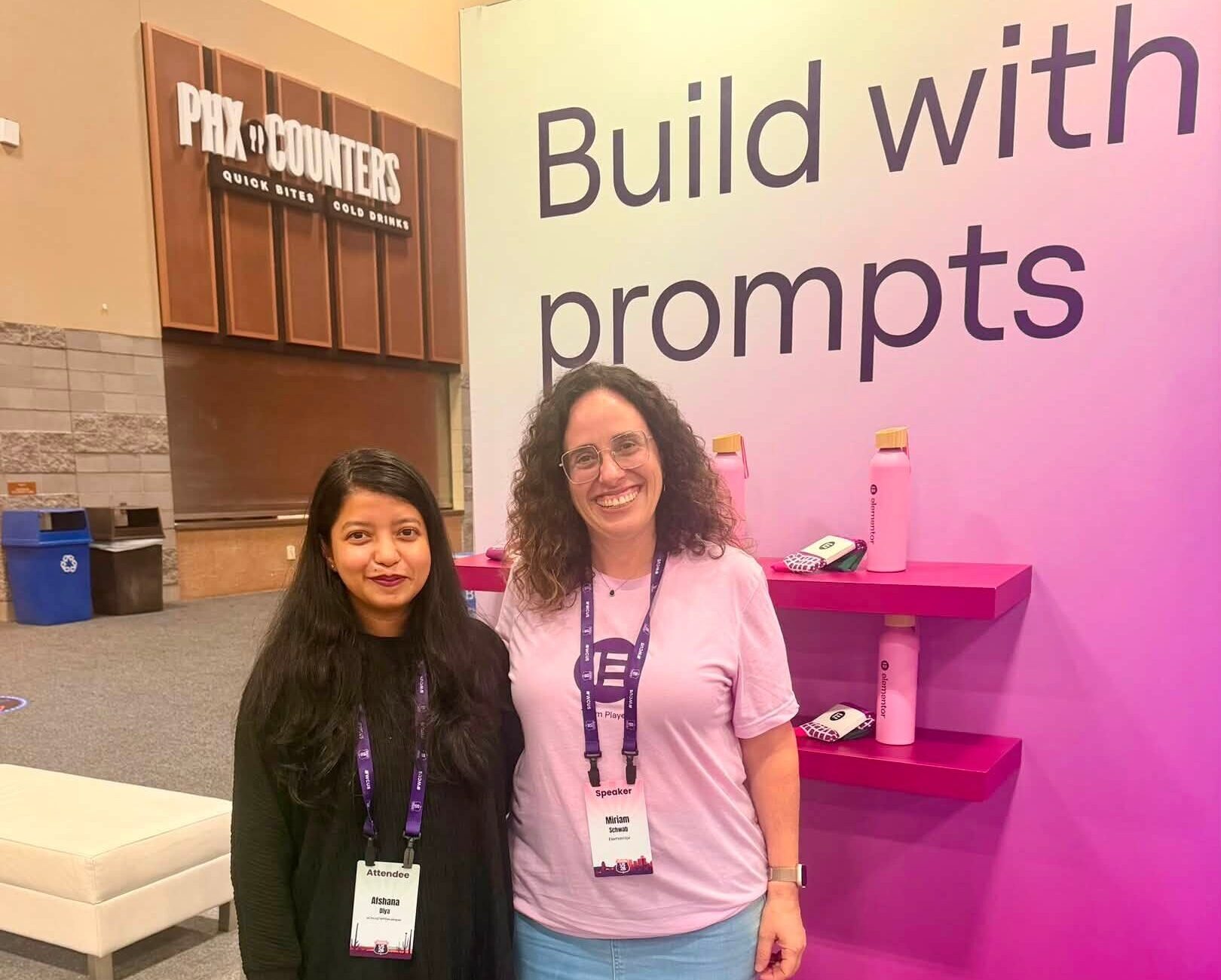
It is worth remembering how wide the work now reaches. WPDeveloper has spent years building for the WordPress community, and xCloud carries that further into infrastructure, running WordPress, WooCommerce, Laravel, PHP and Node.js workloads, along with agentic stacks, on AWS, DigitalOcean, Vultr, Google Cloud, Hostinger, Linode and any Ubuntu-based server you bring. A week like this is how we keep all of it pointed at where the ecosystem is actually going.
Spending four days inside this community makes one thing obvious. WordCamp is not a disconnected yearly event. It is a continuation of an ongoing story, and most of the relationships in the room are long-term ones. That history changes the tone completely. There is less explaining to do, more honesty in the conversations and far faster alignment.
✨ Closing WordCamp US 2026 With Gratitude. See You In Penang
WordCamp US 2026 reinforced something simple but important. WordPress is moving fast, with AI in its core and a release shipped live from the main stage, and it is still fundamentally human-driven. Technology sets the direction, but relationships accelerate it.
Thank you to the organizers, the volunteers and the Phoenix local team who made four days in that heat run so smoothly, and to everyone who stopped by to say hello, share an idea or simply put a face to a name.
The calendar already has the next stops. State of the Word is next, with a date still to be announced. WordCamp Asia 2027 heads to Penang, Malaysia, and WordCamp Europe 2027 returns to Málaga, Spain, from May 27 to 29. WordCamp US will be back in 2027.
See you in Penang. 👋
Subscribe to our blog for tutorials, guides and practical tips on WordPress, web hosting and server management. You can also join our community to share insights and trade notes with other builders.
Last updated August 27, 2026
← All articles